Fake News and Misinformation: How Seniors Can Spot Reliable Information Online
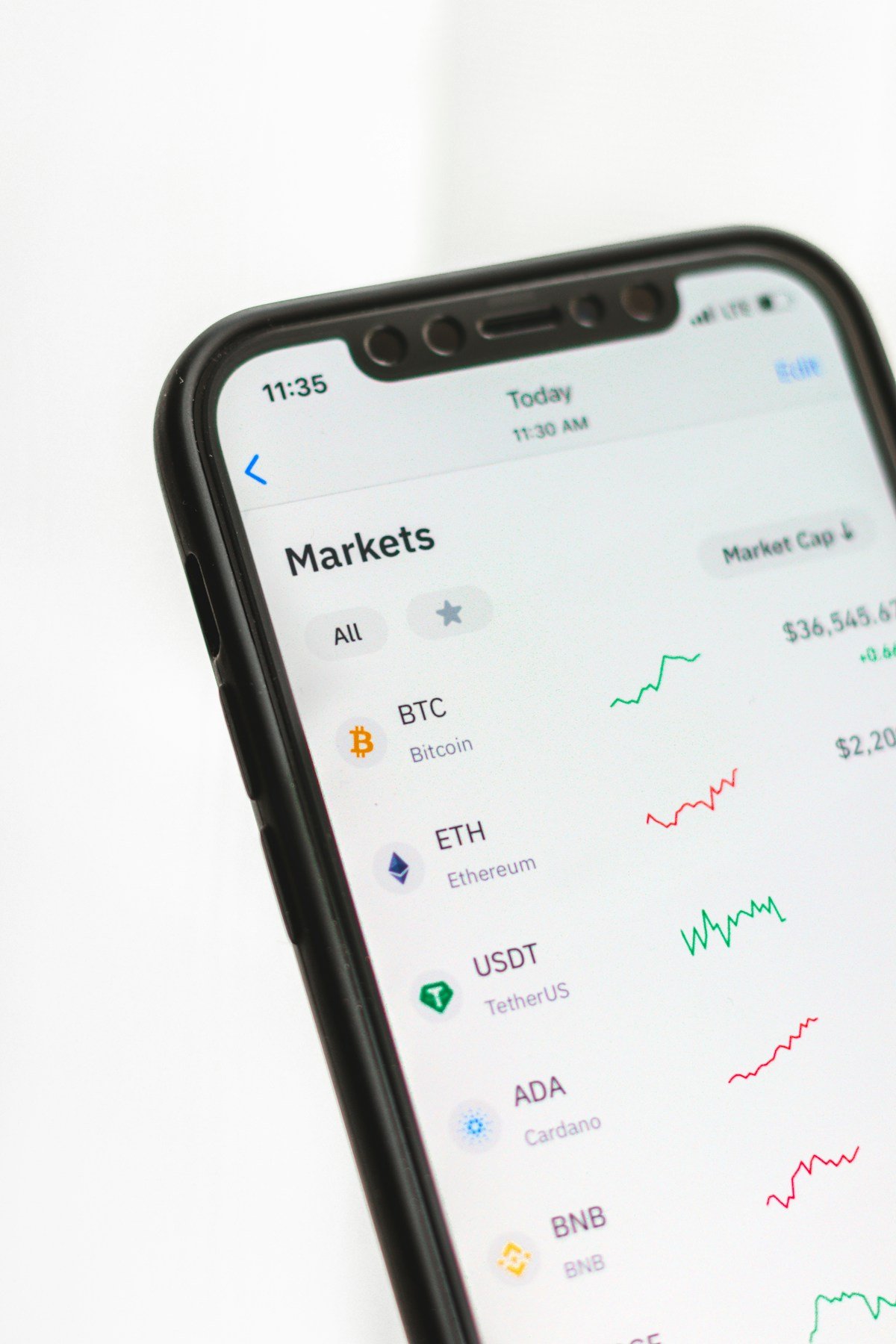
The internet has made it easier than ever to access news and information, but it has also made it easier for false information to spread. Misinformation can be harmful, especially when it involves health advice, financial opportunities, or government benefits. Learning to identify reliable information is an essential skill for navigating the modern world.
This guide teaches seniors how to evaluate information they encounter online, recognize common signs of misinformation, and find trustworthy sources for news and health information.
Check the Source Before Believing
Before accepting information as true, ask yourself where it comes from. Established news organizations like the BBC, Associated Press, Reuters, and reputable newspapers employ professional journalists who follow ethical standards. Information from these sources is generally reliable.
Be skeptical of websites you have never heard of, especially those with sensational headlines or web addresses designed to look like legitimate news sites. A site like cbsnews.com is legitimate, while cbsnews.co or cbsnews-24.com is likely fraudulent. Check the About page to learn who runs the site and what their mission is.
Watch for Emotional Manipulation
Misinformation is designed to provoke strong emotions. If a headline makes you feel angry, scared, or outraged, pause before sharing. Content designed to trigger emotional reactions is often exaggerated or completely false. Reliable news presents information factually without trying to manipulate your feelings.
Read beyond the headline. Many people share articles based only on the headline without reading the full story. Headlines are often designed to grab attention and may not accurately represent the content. Scroll down and read at least several paragraphs before forming an opinion.
Verify Health Information Carefully
Health misinformation is particularly dangerous. Claims about miracle cures, secret treatments, or dangers of common medications should always be verified with your doctor or trusted health organizations. The FDA, CDC, and Mayo Clinic are reliable sources for health information.
Be extremely cautious about health advice from social media, YouTube, or websites selling supplements. If a post promotes a product and claims it cures multiple unrelated conditions, it is almost certainly false. Ask your doctor before trying any treatment you learn about online.
Use Fact-Checking Tools
Several reputable organizations work to verify claims and expose misinformation. FactCheck.org, Snopes, and PolitiFact are nonpartisan fact-checking websites. If you encounter a suspicious claim, search for it on these sites to see whether it has been investigated.
You can also do a simple search using Google. Type the claim followed by the word hoax or scam. If the claim is false, fact-checkers and news organizations will have published articles about it. Seeing multiple reliable sources debunking a claim is strong evidence that it is not true.
Talk to Family Members
If you are unsure whether information is reliable, ask a trusted family member. Younger family members who grew up with the internet are often better at identifying misinformation. They can help you evaluate sources and distinguish between reliable news and fabricated content.
Family members can also help you set up your news sources. Ask them to recommend reliable news apps and websites. They can help you bookmark trusted sources and show you how to avoid questionable sites. Staying informed is important, but accuracy matters more than speed in news consumption.
Önerilen İçerikler
Meta Cuts 8,000 Jobs, Intuit Slashes 3,000 as AI Restructuring Sweeps Tech
Apple TV to Broadcast First MLS Game Shot Entirely on iPhone 17 Pro This Saturday
Google and Blackstone Launch $5 Billion AI Cloud Venture as Tech Giants Race for Dominance

Samsung Faces Largest Strike in History as 45,000 Workers Walk Out Over AI Profit Share
Google I/O 2026 Ushers in the Agentic AI Era with Gemini 3.5 and Gemini Spark
AI Cracks 80-Year-Old Math Problem That Stumped the World’s Greatest Mathematicians

Midjourney vs DALL-E 3: The Ultimate AI Image Generation Comparison in 2026

Yorumlar (0)
Bu haber için henüz yorum yapılmamış. İlk yorumu siz yapın!