
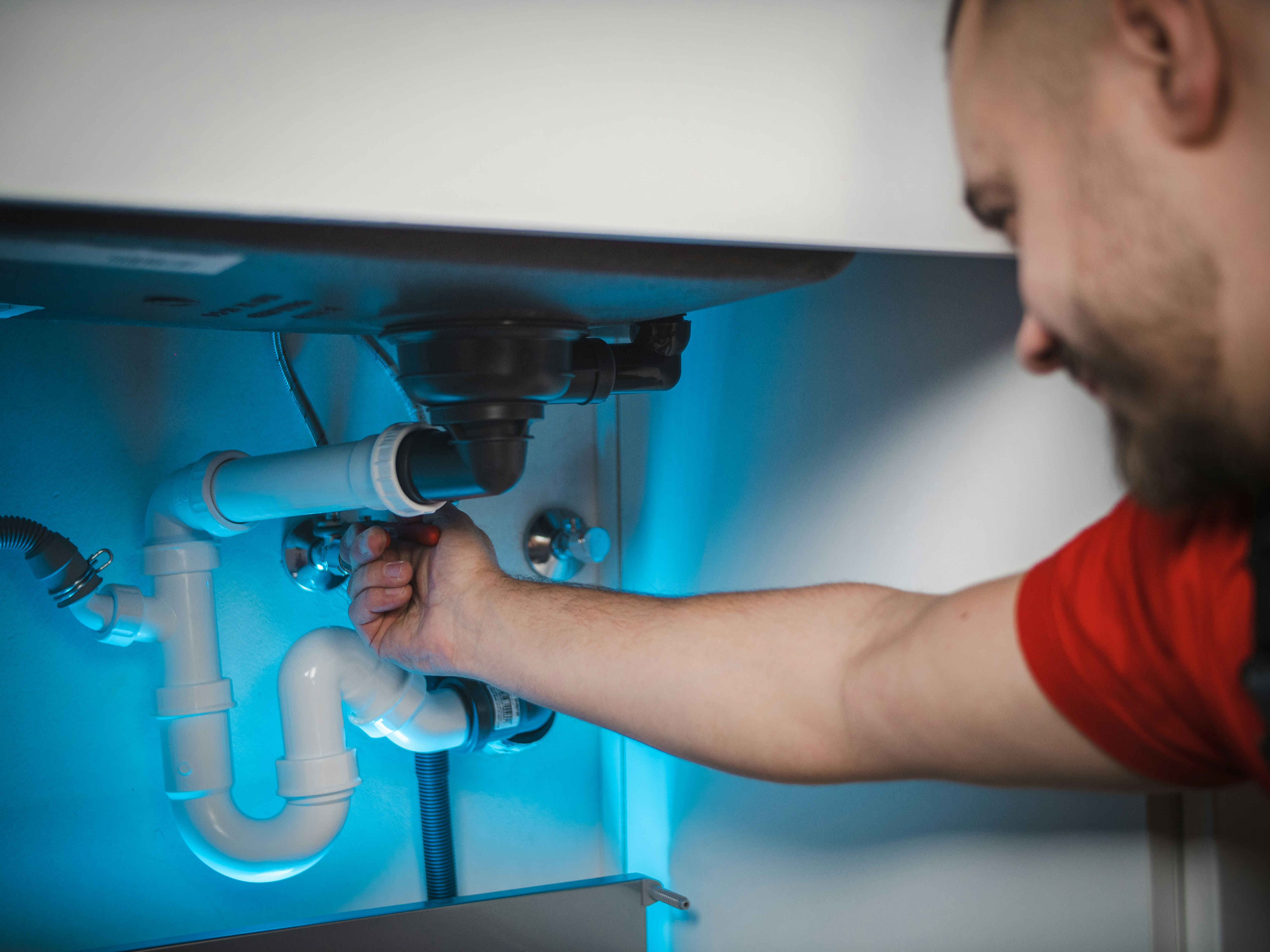
Introduction to Clogged Sinks
Clogged sinks are a prevalent issue in households and can arise from a multitude of factors. Understanding the common reasons behind sink clogs is essential for effective maintenance and timely resolution. One of the primary culprits is food waste, which can accumulate in the sink’s drain over time. When food particles are not adequately disposed of, they tend to mix with grease and other debris, creating blockages that impede water flow. Another frequent cause is hair, particularly in bathroom sinks and showers, which often accumulate through regular use. Hair strands can combine with soap residue and other materials, forming significant clumps that can obstruct drainage.
Grease buildup represents another common factor leading to clogged sinks. In kitchens, oils and fats released during cooking can solidify and attach to the inner walls of the pipes. This greasy buildup can gradually narrow the plumbing diameter until it ultimately causes a significant blockage. Additionally, soap buildup, especially with bar soaps that do not dissolve easily in water, can contribute to drain obstructions over time. This is often exacerbated in shower drains where soap scum and hair intertwine.
The consequences of a clogged sink extend beyond mere inconvenience. Clogs can lead to plumbing malfunctions, resulting in costly repairs if left unaddressed. Moreover, stagnant water due to a clogged sink can pose health risks, as it becomes a breeding ground for bacteria and pathogens. Addressing these issues promptly not only improves the flow and functionality of your sinks but also helps maintain a safe and healthy home environment. By identifying the various types of clogs and understanding their causes, homeowners can implement effective preventative measures and solutions.
Method 1: Boiling Water
Utilizing boiling water is a simple yet effective method for dissolving minor clogs, particularly those caused by grease, soap, and food debris. This technique operates on the principle that high temperatures can break down the solidified materials obstructing the drainage pipe, allowing them to flow freely again. To begin the process, you will need to bring a kettle or a pot of water to a rolling boil. It is important to ensure that the water reaches a sufficient temperature to maximize its efficacy in melting the clog.
Once your water is boiling, carefully pour it down the drain in stages. Pour about half the pot first and allow it to work through the pipes for a few moments. This initial pour will help to melt the build-up as the hot water saturates the clog. After a brief wait, pour the remaining water down the drain. This segmented approach ensures that the boiling water effectively penetrates deeper into the obstruction, promoting a more thorough dissolution of the clog.
Safety is paramount during this method. Boiling water can cause severe burns, so it is imperative to handle it with care. Use heat-resistant gloves and a sturdy ladle or pot holder to prevent accidents. Additionally, ensure that your sink is clear of any standing water before starting the process, as this allows the hot water to flow directly down the drain rather than pooling in the sink and potentially splashing back at you.
This boiling water method is particularly effective against grease clogs, remnants from cooking oils, and soap buildup. However, it may not suffice for more stubborn clogs consisting of hair or foreign objects. Should this technique fail to resolve the issue, further methods may be required.
Method 2: Baking Soda and Vinegar
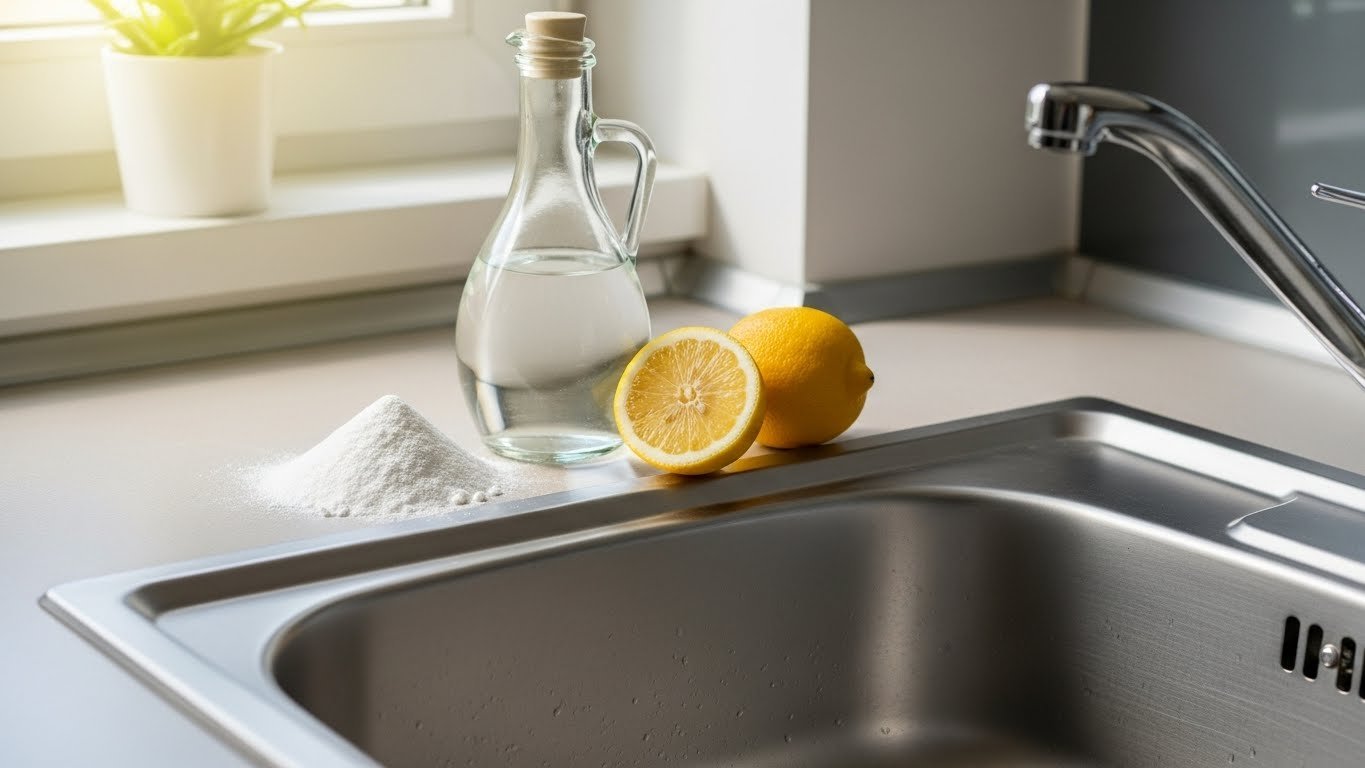
One of the most well-known and effective methods for unclogging a sink without chemicals is the combination of baking soda and vinegar. This method leverages a simple yet powerful chemical reaction between these two common household ingredients. When baking soda, which is a base, is introduced to vinegar, an acid, they react to produce carbon dioxide gas. This effervescent reaction can help to dislodge and break down stubborn blockages within the plumbing system.
To utilize this method, start by ensuring the sink is partially filled with water, which helps facilitate the cleaning process. Measure out approximately one cup of baking soda and pour it directly into the drain. Following this, take a cup of vinegar and slowly pour it into the drain as well. Immediately after adding the vinegar, you will notice bubbling and fizzing, which indicates the reaction is occurring. It is advisable to cover the drain with a plug or a cloth to trap the gas within the pipes, maximizing its effectiveness against the clog.
Let this mixture sit for about 15 to 30 minutes. During this time, the reaction works to dissolve grease, soap scum, and other organic materials that may be contributing to the blockage. After the waiting period, flush the drain with hot water. This can help wash away any loosened debris resulting from the reaction and clear the drain. If the sink remains clogged, this process can be repeated as necessary.
While this method is generally safe, it is essential to take precautions. Avoid using this method if you have recently used a commercial drain cleaner, as mixing chemicals can lead to hazardous reactions. Always ensure proper ventilation when using vinegar, and refrain from using excessive amounts of either ingredient, as this may create more foam than the drain can handle.
Using a Plunger
When faced with a clogged sink, employing a plunger can be an effective and environmentally friendly solution. The proper technique is crucial for maximizing the effectiveness of this method, as a good seal is essential for generating the necessary suction to dislodge the clog. To begin, ensure that there is enough water in the sink to cover the bottom of the cup of the plunger. This aids in creating the seal needed for optimal suction.
Position the plunger over the drain, ensuring that it completely covers it. A flat-bottomed cup plunger is typically more effective for flat surfaces, such as sink drains, whereas a flange plunger is designed for toilets. The choice of plunger can significantly influence the outcome, so using the correct type is imperative for unclogging a sink efficiently.
Once placed, grip the handle firmly and pump the plunger up and down vigorously. Maintain a steady rhythm, focusing on using quick, powerful thrusts. After several pumps, pull the plunger upward sharply to break the seal—which can help release any stubborn debris. It is essential to listen for a change in the sound, which may indicate that the clog has been dislodged.
In addition to technique, consider the situation. This method typically yields the best results for moderate clogs caused by hair, soap residue, or food particles. However, stubborn blockages may require additional methods or tools. If using a plunger does not yield results after repeated attempts, it might be advisable to explore alternative approaches or consult a professional plumber. Following these guidelines can enhance the likelihood of successfully unclogging a sink using a plunger, making it a reliable tool for maintaining a well-functioning drainage system.
Method 4: Plumbing Snake or Auger
Using a plumbing snake or auger is an effective manual method for unclogging a sink without resorting to chemicals. These tools are specially designed to break through clogs that are too stubborn for conventional methods such as plungers. A plumbing snake, often referred to as an auger, consists of a flexible steel wire and a corkscrew tip, allowing it to maneuver through the twists and bends of your plumbing system.
To begin, ensure you have the correct size snake for the type of drain you are dealing with. Generally, a ¼ inch snake is sufficient for most sink clogs, while larger clogs might require a thicker model. Start by removing any visible debris from the faucet area and ensuring that the work space is clear. Next, gently insert the tip of the snake into the drain opening until you feel resistance. This resistance indicates that you have reached the clog.
Once the snake is in position, carefully rotate the handle to engage the corkscrew tip. This action will help latch onto the clog, allowing you to either break it apart or pull it out of the drain. If you come across a significant obstruction, it may be necessary to push the snake deeper into the pipe for better reach. Always be mindful of your maneuvering to avoid damaging the pipe.
Safety is essential when using a plumbing snake. Wear gloves to protect your hands from any sharp edges or jagged materials that may be present. After each use, clean your snake thoroughly and inspect it for any signs of wear or damage to ensure continued optimal functionality. Storing the plumbing snake in a dry environment can also prolong its lifespan. Regular maintenance and responsible handling will ensure that your plumbing snake remains effective for future clogs.
Method 5: Dish Soap and Hot Water
One of the effective ways to unclog a sink without resorting to harsh chemicals involves using dish soap and hot water. This method is particularly suitable for kitchen sinks, where grease and food residues often accumulate, leading to clogs. Dish soap is designed to break down fats and oils, making it an ideal candidate for tackling greasy clogs.
To begin, you will need to gather your materials. All that is required is a bottle of liquid dish soap and a kettle or pot filled with water. Begin by boiling the water, ensuring it reaches a temperature that is hot but not boiling, as extreme temperatures can damage certain types of pipes. Next, pour an ample amount of dish soap directly into the sink drain; approximately half a cup should suffice. Allow the soap to sit for a few minutes. This waiting period enables the dish soap to penetrate and lubricate the clog, effectively loosening the debris that may be causing the blockage.
Following this, take the hot water and carefully pour it down the drain in a steady stream. The combination of hot water and lubricated soap will work together to dissolve accumulated grease and push the obstruction through the pipes. It is recommended to pour the hot water slowly to allow it to flush the soap and debris thoroughly instead of simply sitting in the sink.
It is important to note that this method may not be effective for all types of clogs, particularly those that are caused by solid objects or severe blockages. Therefore, if you find that the clog persists after using soap and hot water, it may be necessary to explore additional unclogging techniques. However, for many grease-based issues, this approach offers a simple and eco-friendly alternative to chemical solutions, effectively maintaining plumbing health without the addition of harsh substances.
💬 Yorumlar
Henüz yorum yapılmamış. İlk yorumu siz yazın.