How to Unclog a Sink Naturally: Effective Chemical-Free Solutions
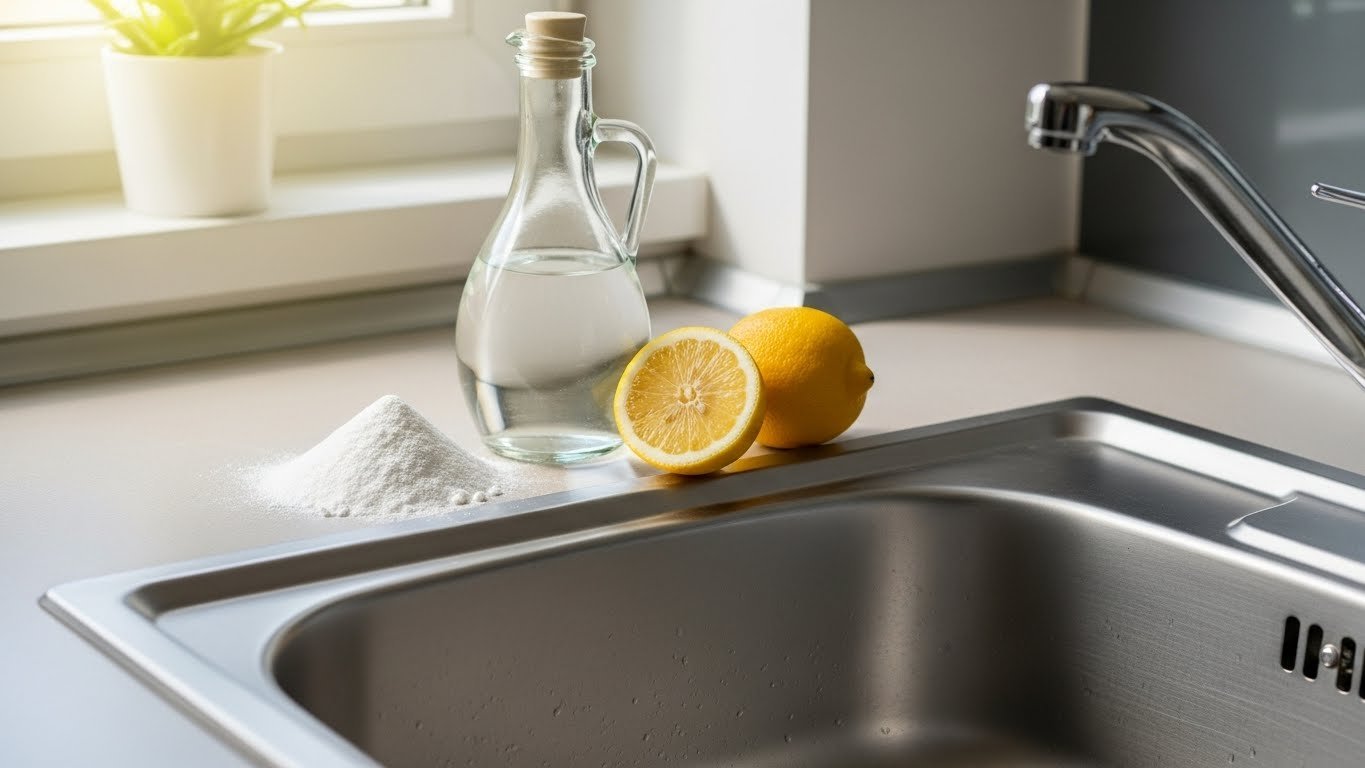
Introduction: There are few things more annoying than a slow-draining sink while you are trying to wash dishes or brush your teeth. While the temptation to grab a bottle of harsh chemical drain cleaner is strong, these products can be corrosive to your pipes and harmful to the environment. Fortunately, you don’t need toxic sludge to fix the problem. If you want to know how to unclog a sink naturally, you likely already have everything you need in your kitchen pantry. This guide explores the most effective, eco-friendly methods to get your drains flowing freely again.
1. The Boiling Water Attack
Before you mix any ingredients, try the simplest solution first. Grease, oil, and soap scum are common culprits for clogs, and they often solidify in the pipes.
- Boil a kettle or a large pot of water.
- Pour the boiling water directly down the drain in two or three stages, letting the hot water work for a few seconds in between each pour.
Note: Do not use boiling water if you have PVC pipes, as the intense heat can loosen joints. For PVC, use hot tap water instead.
2. The Baking Soda and Vinegar Volcano
This is the gold standard for natural drain cleaning. The chemical reaction between the base (baking soda) and the acid (vinegar) creates fizzy bubbles that can help break up gunk.
- Pour 1/2 cup of baking soda down the drain.
- Follow it with 1/2 cup of white vinegar.
- Cover the drain immediately with a plug or a cloth to force the fizzing action downward into the clog.
- Let it sit for 15 to 30 minutes.
- Flush with a pot of boiling water.
3. The Baking Soda and Salt Method
If the clog is stubborn, adding salt can boost the abrasive power of the mixture.
Mix 1/2 cup of table salt with 1/2 cup of baking soda. Pour the mixture down the drain and let it sit for several hours (or overnight). The salt acts as a scouring agent to scrub the insides of the pipes. Flush thoroughly with hot water the next morning.
4. The Plunger Technique
When chemical reactions aren’t enough, mechanical force is your best friend. A standard cup plunger can dislodge physical blockages.
- Fill the sink with enough water to cover the bell of the plunger.
- Place the plunger over the drain to create a tight seal.
- Pump vigorously up and down for 30 seconds.
- Pull the plunger up sharply to break the seal.
5. Clean the P-Trap (The U-Bend)
If you are learning how to unclog a sink naturally and the methods above fail, the blockage is likely physical and stuck in the P-trap (the curved pipe under the sink).
Step-by-Step Removal:
1. Place a bucket under the U-shaped pipe to catch water.
2. Unscrew the slip nuts on both ends of the trap (use pliers if tight, but be gentle with plastic).
3. Remove the trap and clean out the gunk (hair, grease, debris).
4. Reassemble the pipe and test the water flow.
6. The Wire Coat Hanger Snake
If you don’t have a plumber’s snake, you can make one. Straighten out a wire coat hanger, leaving a small hook at one end. Feed it into the drain and gently fish around to pull out hair clumps or food debris. Avoid pushing too hard, as you don’t want to push the clog further down.
Preventing Future Clogs
The best way to handle a clog is to prevent it. Avoid pouring cooking grease or coffee grounds down the sink. Install a mesh drain strainer to catch hair and food particles, and consider doing a weekly baking soda and vinegar flush to keep pipes clear.
Conclusion
You do not need to rely on expensive plumbers or dangerous chemicals for minor blockages. By understanding how to unclog a sink naturally using baking soda, vinegar, or a simple plunger, you can save money and protect your plumbing infrastructure. Start with the gentle methods, and work your way up to checking the P-trap if necessary.
Sıkça Sorulan Sorular
Will vinegar and baking soda damage my pipes?
No, vinegar and baking soda are generally safe for all types of plumbing. They are much less corrosive than commercial chemical drain cleaners.
Can I use Coca-Cola to unclog a drain?
Coca-Cola contains phosphoric acid which can help dissolve some clogs, but it is also sticky and full of sugar, which can attract bacteria. Baking soda and vinegar is a cleaner, more effective solution.
What if natural methods don't work?
If you have tried boiling water, the vinegar mix, and the P-trap method with no success, the clog might be deeper in the main line. At this point, it is best to call a professional plumber.
Yorumlar (0)
Bu haber için henüz yorum yapılmamış. İlk yorumu siz yapın!