BRICS De-Dollarization Accelerates: USD Reserve Share Falls to Record Low Below 55%
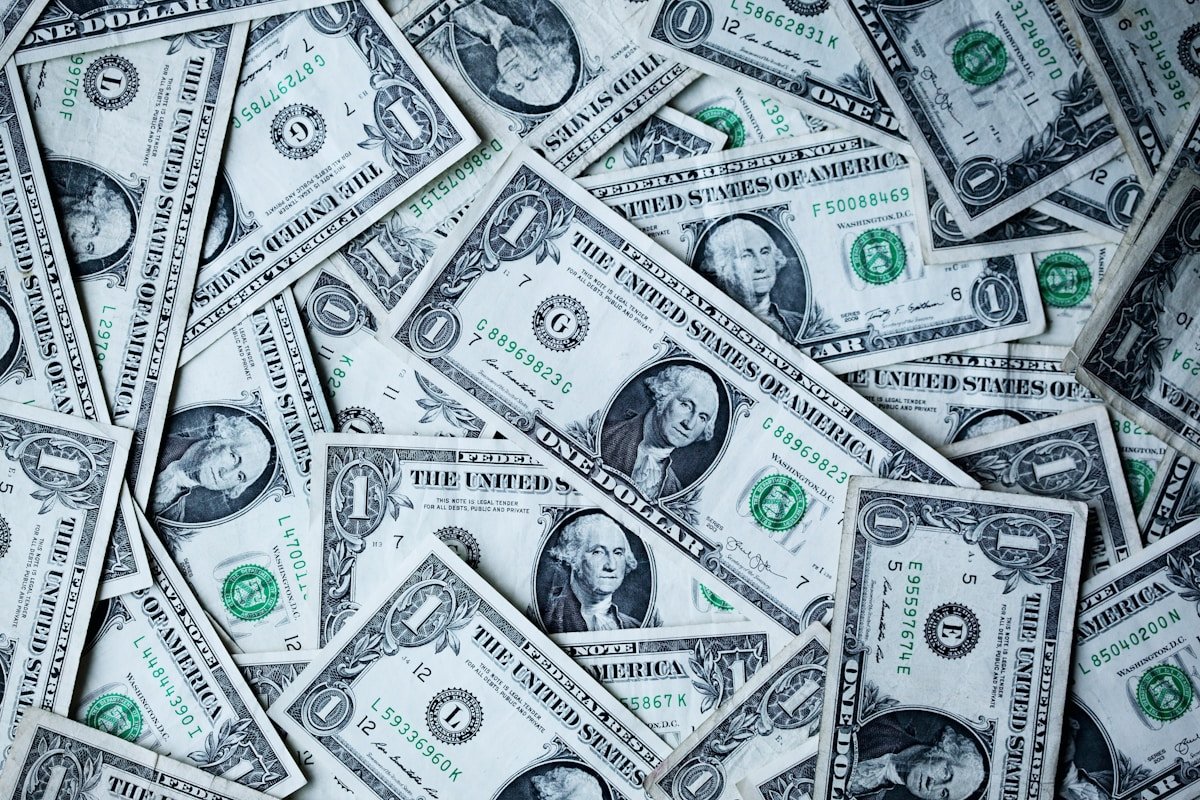
The U.S. dollar’s dominance in global finance is eroding at an accelerating pace. According to the latest IMF COFER data, the dollar’s share of global foreign exchange reserves has fallen to approximately 54.2% in early 2026 — the lowest level since records began in 1995 and down sharply from 72% in 2001.
This decline is not a sudden collapse but the result of a sustained, structural shift driven by the BRICS+ bloc’s coordinated efforts to build alternative financial infrastructure. The expanded BRICS, now representing 46% of the world’s population and 37% of global GDP, is actively constructing a multipolar financial system.
Key Metrics of the Shift
The numbers tell a clear story. BRICS+ member nations now conduct approximately 41% of their bilateral trade in local currencies, up from negligible levels just five years ago. China’s Cross-Border Interbank Payment System (CIPS) has crossed 1,500 connected financial institutions across 117 countries, processing an annual transaction volume of $14.7 trillion.
Central bank gold purchases remain near record territory, with 263 tonnes bought year-to-date through April 2026. The message from monetary authorities worldwide is unambiguous: diversification away from dollar-denominated assets is a strategic priority, not a tactical adjustment.
Saudi Arabia’s Pivot and the Petrodollar
Perhaps the most significant development has been Saudi Arabia’s gradual shift away from exclusive dollar pricing for oil. A bilateral agreement signed in April 2026 increased the share of Saudi crude exports to China priced in yuan from 15% to 22%. Iran meanwhile is charging yuan-denominated tolls at the Strait of Hormuz, turning the critical chokepoint into a live de-dollarization test case.
What It Means for Investors
For global investors, de-dollarization has several implications. Gold continues to attract institutional buying as a sanctions-proof reserve asset. Non-U.S. developed market equities may benefit as dollar weakness boosts their relative performance. Long-dated U.S. Treasuries face structural headwinds as the world’s largest foreign holders gradually reduce their exposure.
The dollar is far from obsolete — it still clears 58% of global trade and 88% of forex volume. But the trajectory is clear, and the pace of change is accelerating.


Yorumlar (0)
Bu haber için henüz yorum yapılmamış. İlk yorumu siz yapın!