NFT Market Revival: How Digital Collectibles Are Making a Comeback in 2026

The NFT market is experiencing a revival in 2026, but this comeback looks very different from the speculative frenzy of 2021-2022. The new NFT ecosystem is built on genuine utility rather than speculation, with real-world applications driving sustainable demand and usage.
Brand loyalty programs have become one of the most successful NFT use cases. Major brands including Starbucks, Nike, Adidas, and Louis Vuitton have launched NFT-based loyalty programs that reward customers with exclusive access, discounts, and experiences. These programs use NFTs as membership cards, granting holders ongoing benefits rather than simply representing artwork to speculate on.
Event ticketing has been transformed by NFT technology. Concert promoters, sports teams, and event organizers issue tickets as NFTs, eliminating counterfeit tickets and enabling transparent secondary markets. The immutable blockchain record prevents scalping and ensures that artists and organizers share in secondary market revenue through smart contract royalties.
Digital identity verification has emerged as a practical NFT application. Verifiable credentials issued as NFTs allow individuals to prove attributes about themselves without revealing unnecessary personal information. A venue could verify that you are over 21 without seeing your birth date, or an employer could verify your credentials without accessing your entire educational history.
Gaming NFTs have seen genuine adoption in 2026. Players truly own their in-game assets and can trade them on open marketplaces. This player-owned economy aligns incentives between game developers and players, creating more engaging and sustainable gaming experiences. Several major game studios have integrated NFT-based asset ownership into their titles.
The market capitalization of the NFT space is smaller than the 2021 peak but is built on firmer foundations. Daily trading volumes have stabilized at sustainable levels, and the number of active wallets interacting with NFT protocols continues to grow. The hype-driven peaks and crashes appear to be behind the market.
Art NFTs continue to exist but have found a healthier equilibrium. Digital artists use NFTs to monetize their work directly, with collectors purchasing art they genuinely appreciate rather than purely for speculation. The art market will never disappear, but it no longer dominates the NFT conversation as it did in 2021.
Infrastructure improvements have enhanced the NFT experience. Layer-2 solutions have reduced minting and trading costs to near zero. Improved wallet interfaces make it easier to view and manage NFT collections. Better marketplace designs reduce friction and improve discovery. These improvements make NFTs more accessible to mainstream users who were priced out or confused by earlier iterations.
Recommended
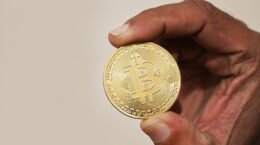
Why Is Bitcoin Crashing? What’s Behind the 2026 Crypto Sell-Off — and What It Means for Your Money

Stablecoins Explained: How USDC, USDT, and New Regulations Are Reshaping Digital Payments

Wall Street Embraces Crypto: Institutional Adoption Hits Record Levels in 2026

How to Safely Store Cryptocurrency: Hot Wallets, Cold Storage, and Best Practices in 2026

Tokenization of Real World Assets: How Blockchain Is Transforming Real Estate, Stocks, and Commodities

DeFi 2.0: The Next Generation of Decentralized Finance in 2026

Crypto Regulation in 2026: How the CLARITY Act and Global Rules Are Reshaping the Market

Yorumlar (0)
Bu haber için henüz yorum yapılmamış. İlk yorumu siz yapın!