Central Banks Bought 244 Tonnes of Gold in Q1 2026 — Why the Rally Has Further to Run
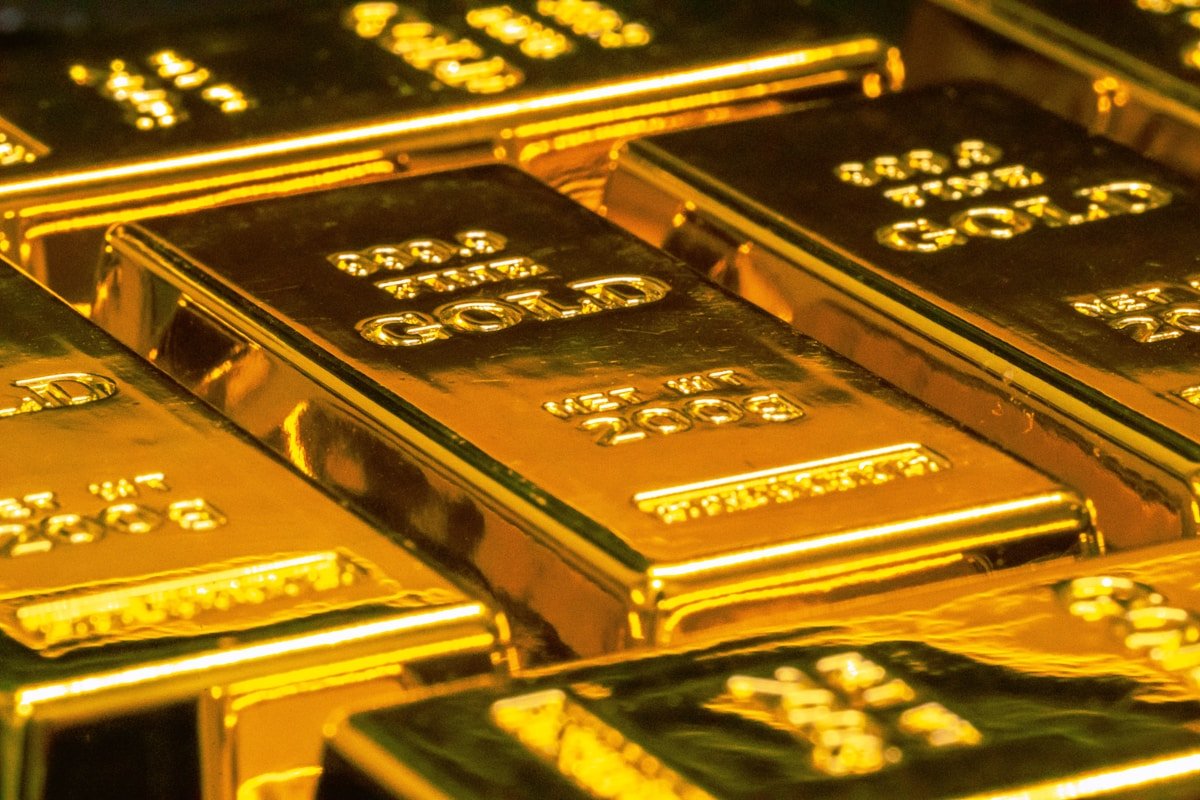
Global central banks added a staggering 244 tonnes of gold to their reserves in the first quarter of 2026, marking the highest quarterly total since late 2024 and surpassing the five-year average, according to the latest data from the World Gold Council.
The buying spree was led by Poland (31 tonnes), Uzbekistan (25 tonnes), and China (7 tonnes), with central banks now exceeding 200 tonnes of quarterly purchases in 10 of the last 11 quarters — a clear signal that the de-dollarization trend is accelerating rather than fading.
A Structural Shift, Not a Short-Term Trade
The conventional wisdom that gold rallies are driven by speculative froth is being challenged by the sheer persistence of official-sector demand. Central banks are buying gold not because prices are rising, but because the geopolitical landscape has fundamentally changed.
Since the freezing of Russian foreign reserves in 2022, central banks across emerging markets have been rapidly diversifying away from dollar-denominated assets. Gold offers something that no currency or bond can match: it cannot be frozen, seized, or sanctioned remotely. This “geopolitical insurance” premium has become a permanent feature of reserve management. The financial sanctions imposed on Russia demonstrated that even major reserve currencies can be weaponized, prompting a strategic reassessment by monetary authorities worldwide.
“The shift from dollar reserves to gold is not a prediction — it is an ongoing trend,” said an EBC analyst. “BRICS+ demand alone could absorb the entire global gold market annual production.” The expanded BRICS bloc, now encompassing major commodity producers and consumers, is actively exploring alternative settlement systems that reduce dependence on the U.S. dollar.
France’s $15 Billion Gold Move
In one of the most striking transactions of the quarter, the Bank of France sold its 129-tonne gold reserve held in the United States and repurchased it in Europe, generating a profit of approximately $15 billion. The move underscores a broader trend of physical gold repatriation as nations seek to reduce counterparty risk.
This transaction is part of a larger pattern. Germany, the Netherlands, Austria, and Belgium have all repatriated significant portions of their gold reserves from foreign vaults in recent years. The message is clear: in an increasingly fragmented geopolitical environment, nations want their gold physically within their own borders.
What the Numbers Tell Us
The World Gold Council projects that central banks will purchase roughly 850 tonnes of gold in 2026, nearly matching last year’s total of 863 tonnes. Global gold demand hit an all-time Q1 record, rising 2% year-over-year.
China’s central bank continued its relentless accumulation, while Chinese gold ETFs saw record quarterly inflows. Meanwhile, India’s jewellery demand fell 16% in Q1 as elevated prices pushed consumers from ornamental gold toward bars and coins — a subtle but significant structural shift in the world’s largest gold market.
Central bank demand now accounts for roughly one-fifth of global annual mine production. With supply constrained and new mine development taking 10-15 years, this institutional demand is providing a solid floor under prices.
Price Outlook: $6,000 and Beyond
Gold currently trades at around $4,542 per ounce, having pulled back from its January all-time high of $5,589 — a level that would have seemed unthinkable just three years ago. But major institutions remain firmly bullish, with several issuing upgraded price targets.
Deutsche Bank has set a $6,000 per ounce target, while JPMorgan projects a target near $6,300. Societe Generale describes $6,000 as conservative, and one prominent analyst at Gabellis argues that gold will become the primary alternative to the U.S. dollar with prices heading above $6,000. The common thread in these forecasts is the recognition that central bank buying is not cyclical but structural.
“Gold’s pullback may actually be a buy zone in a new inflation super cycle,” noted Stewart Thomson, a veteran precious metals analyst. The 40-year commodities super cycle that began in 2020 — driven by fiscal expansion, energy transition, and deglobalization — could continue until 2060, providing sustained tailwinds for precious metals.
The Wildcard: Saudi Arabia
Perhaps the most explosive catalyst on the horizon is Saudi Arabia. The Kingdom’s gold holdings currently represent just 2.6% of its total international reserves. If Saudi Arabia raises that allocation to just 5% — a modest adjustment by institutional standards — it would need to purchase roughly the entire projected central bank demand for 2026 in a single stroke.
Such a move could reshape the global pricing landscape overnight. Combined with potential allocation increases from other Gulf states and the broader BRICS+ framework, the demand shock could drive prices significantly beyond current forecasts.
Copper: The Other Commodity to Watch
While gold dominates headlines, some analysts believe copper could outperform both gold and silver in the coming commodity cycle. A statement from Vizsla Copper’s CEO suggests copper could reach $30 per pound as the energy transition and AI-driven data center buildout fuel unprecedented demand for the red metal.
Copper currently trades around $5.64 per pound, and the bull case rests on supply constraints meeting surging demand from electrification, renewable energy infrastructure, and the massive power requirements of AI data centers.
Key Takeaways for Investors
The gold market in 2026 is being reshaped by forces that have no historical precedent: coordinated central bank accumulation, de-dollarization at the institutional level, and a fundamental reassessment of what constitutes a reserve asset in a multipolar world.
For investors, the key question is not whether gold will rise, but how to position for a market that is increasingly driven by sovereign rather than speculative demand. Physical gold, gold ETFs, and mining equities each offer different exposure to the same underlying trend.
Disclaimer: This article is for informational purposes only and does not constitute investment advice. Always conduct your own research before making investment decisions. Past performance is not indicative of future results.
Önerilen İçerikler

Stablecoins Explained: How USDC, USDT, and New Regulations Are Reshaping Digital Payments

Wall Street Embraces Crypto: Institutional Adoption Hits Record Levels in 2026

How to Safely Store Cryptocurrency: Hot Wallets, Cold Storage, and Best Practices in 2026

Tokenization of Real World Assets: How Blockchain Is Transforming Real Estate, Stocks, and Commodities

DeFi 2.0: The Next Generation of Decentralized Finance in 2026

Crypto Regulation in 2026: How the CLARITY Act and Global Rules Are Reshaping the Market

Top 5 Altcoins to Watch in the 2026 Bull Run Beyond Bitcoin and Ethereum

Yorumlar (0)
Bu haber için henüz yorum yapılmamış. İlk yorumu siz yapın!