
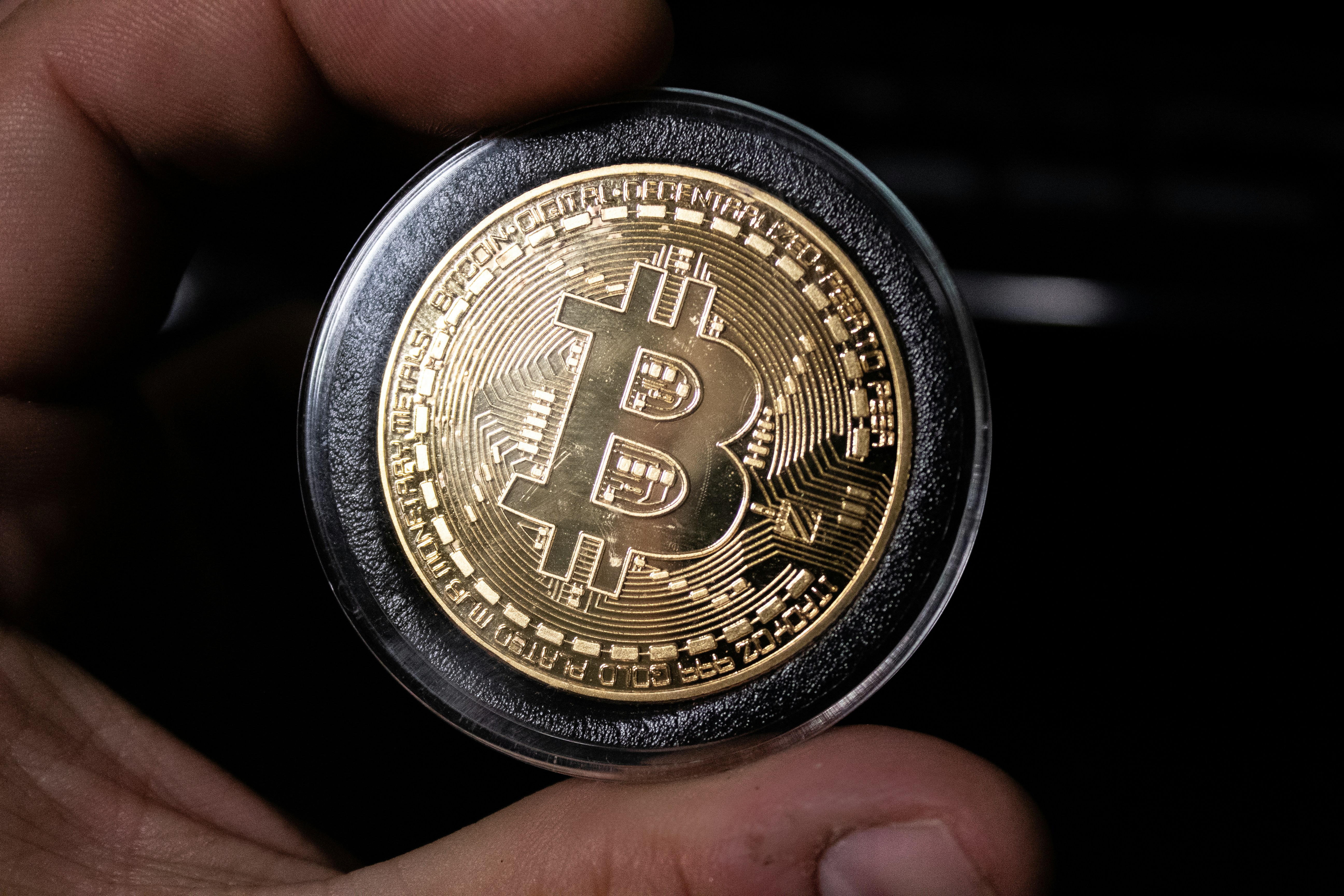
Understanding Cryptocurrency Basics
Cryptocurrency is a form of digital or virtual currency that employs cryptography for security, making it difficult to counterfeit. Unlike traditional currencies issued by governments, known as fiat currencies, cryptocurrencies operate on decentralized networks based on blockchain technology. This foundational technology allows transactions to be recorded on a public ledger, ensuring transparency and security.
One of the primary characteristics that distinguish cryptocurrency from conventional money is decentralization. While traditional currencies are controlled by central banks, cryptocurrencies do not have a central authority governing their transactions. Instead, networks of computers, known as nodes, validate transactions and maintain the blockchain. This decentralized nature of cryptocurrencies offers users increased control over their funds, as well as enhanced privacy and security.
Another key aspect to understand is the use of cryptography, which ensures the integrity and security of transactions. Through algorithms and codes, cryptography protects users’ identities and prevents unauthorized access to their funds. This security feature is one of the reasons why many people are turning to cryptocurrencies as an alternative form of investment and payment.
There are thousands of different cryptocurrencies available in the market today, each designed with unique features and use cases. Bitcoin, the first and most well-known cryptocurrency, was launched in 2009 and paved the way for others. Other notable cryptocurrencies include Ethereum, Ripple, and Litecoin, which have emerged with innovative technologies and functionalities beyond mere transactions.
In conclusion, understanding the basic concepts of cryptocurrency, including decentralization and cryptography, sets a solid foundation for beginners. By familiarizing oneself with the unique characteristics that differentiate cryptocurrencies from traditional currencies, individuals can better navigate this dynamic and evolving digital landscape.
Getting Started with Bitcoin
Bitcoin, introduced in 2009 by an anonymous individual or group known as Satoshi Nakamoto, stands as the first and most prominent cryptocurrency. Its creation aimed to provide a decentralized alternative to traditional currencies, allowing transactions without the need for intermediaries such as banks. The underlying technology, known as blockchain, enables peer-to-peer interactions, ensuring transparency and security through a distributed ledger.
At its core, Bitcoin operates on a protocol that facilitates digital transactions. When a user wishes to send Bitcoin to another, the transaction is broadcast to the network, where it awaits verification. Miners, individuals equipped with powerful computers, play a crucial role in this process. They compete to solve complex mathematical problems that validate transactions and incorporate them into the blockchain. This process, known as mining, not only ensures the integrity of the network but also rewards miners with newly created Bitcoins as incentives for their efforts.
Each transaction is added to a public ledger after being verified, making it immutable and traceable. Unlike traditional banking systems, Bitcoin transactions do not require personal information, enhancing user privacy significantly. However, it is important for users to understand the potential risks involving volatility and security concerns associated with cryptocurrency usage. Bitcoin’s decentralized nature also means it lacks a central authority, which can mitigate fraud, but places the responsibility of safeguarding assets squarely on the user.
Bitcoin has steadily gained acceptance, both as a digital currency and as a store of value, often referred to as “digital gold.” Its significance extends beyond just a financial asset; it has paved the way for thousands of alternatives in the cryptocurrency realm, influencing global financial systems and promoting discussions on the future of money. Understanding Bitcoin is essential for anyone looking to delve deeper into the realm of cryptocurrencies.
How to Buy and Store Cryptocurrency Safely
Acquiring cryptocurrencies, particularly Bitcoin, can be achieved through various methods, catering to different preferences and technical know-how. The most common method is through exchanges. These platforms facilitate the buying and selling of Bitcoin with traditional currencies like US dollars or euros. Popular exchanges, such as Coinbase and Binance, allow users to create an account, link their bank account or credit card, and place orders to purchase Bitcoin with ease. It is crucial to research and choose a reputable exchange, as security features and user support vary significantly among platforms.
In addition to exchanges, Bitcoin ATMs have emerged, providing a convenient option for those who prefer to transact in person. These ATMs allow users to purchase Bitcoin using cash or debit cards. It’s essential to locate a Bitcoin ATM in your area through various mapping services to streamline the process. Another approach is peer-to-peer transactions, which connect buyers and sellers directly, often leveraging platforms like LocalBitcoins. This method provides more privacy and can sometimes yield better rates but requires a more careful assessment of the seller’s reliability.
Once you’ve purchased Bitcoin, storing it safely is paramount. Cryptocurrencies can be held in wallets, which can be categorized into hot wallets and cold wallets. Hot wallets are connected to the internet, making them user-friendly for frequent transactions, yet they expose your funds to potential online threats. Cold wallets, on the other hand, are offline storage solutions, such as hardware wallets or paper wallets. They provide enhanced security by keeping your private keys away from the internet, making them ideal for long-term holding.
To ensure the security of your digital assets, it is advisable to adopt best practices such as enabling two-factor authentication on your wallets, keeping your recovery phrases secure, and regularly updating your wallet software. These measures help protect against potential hacks and losses, ensuring that your investment in cryptocurrency remains secure.
The Future of Cryptocurrency and Investing Tips
The cryptocurrency landscape is continuously evolving, influenced by various factors such as regulatory changes and technological advancements. As more countries explore the implementation of central bank digital currencies (CBDCs), the global economy may experience a fundamental shift. These developments could either enhance the adoption of cryptocurrencies or pose challenges, depending on how regulators approach the integration of digital assets into existing financial systems. It is crucial for investors to stay abreast of these changes, as they could significantly impact the market dynamics.
Moreover, the rapid advancement of blockchain technology plays a pivotal role in shaping the future of cryptocurrencies. Innovations in scalability, security, and interoperability are likely to make digital currencies more accessible and user-friendly. As projects continue to emerge, particularly those focused on decentralized finance (DeFi) and non-fungible tokens (NFTs), the potential applications of cryptocurrencies broaden. This ever-expanding ecosystem may ultimately attract a diverse array of investors, ranging from novices to seasoned professionals.
For beginners looking to invest in cryptocurrency, several key tips can enhance their investment strategy. First and foremost, conducting diligent research should be a priority. Understanding the underlying technology and the use cases of different cryptocurrencies can assist investors in making informed decisions. Additionally, risk management is critical in this volatile environment; diversifying one’s portfolio can help mitigate potential losses. Beginners are also encouraged to utilize resources like reputable news outlets and online forums to stay updated on market trends and news that could affect prices.
In conclusion, navigating the future of cryptocurrency requires a combination of awareness, research, and strategic planning. By understanding current trends and employing sound investment practices, beginners can position themselves advantageously in this dynamic market landscape.
💬 Yorumlar
Henüz yorum yapılmamış. İlk yorumu siz yazın.